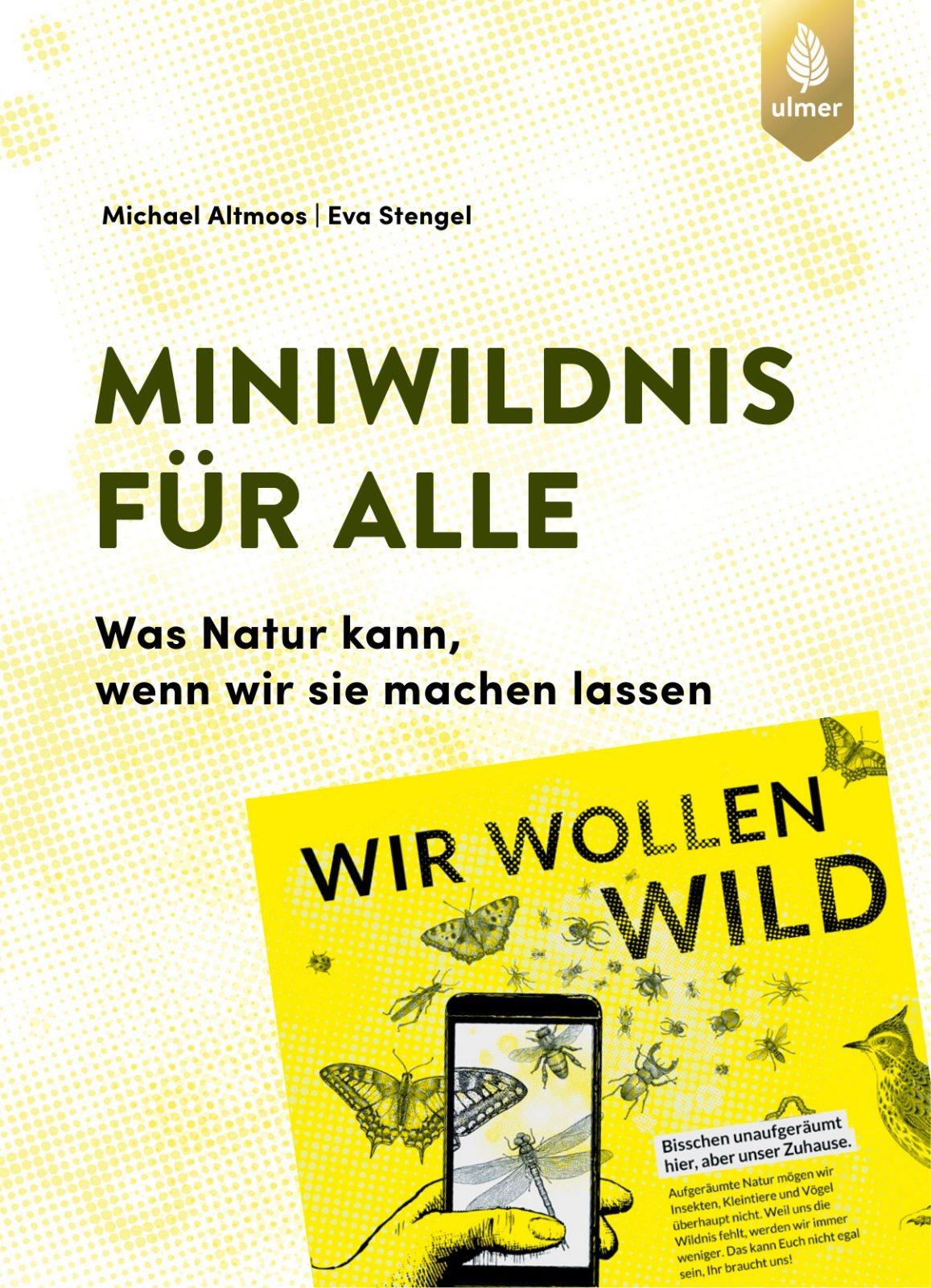
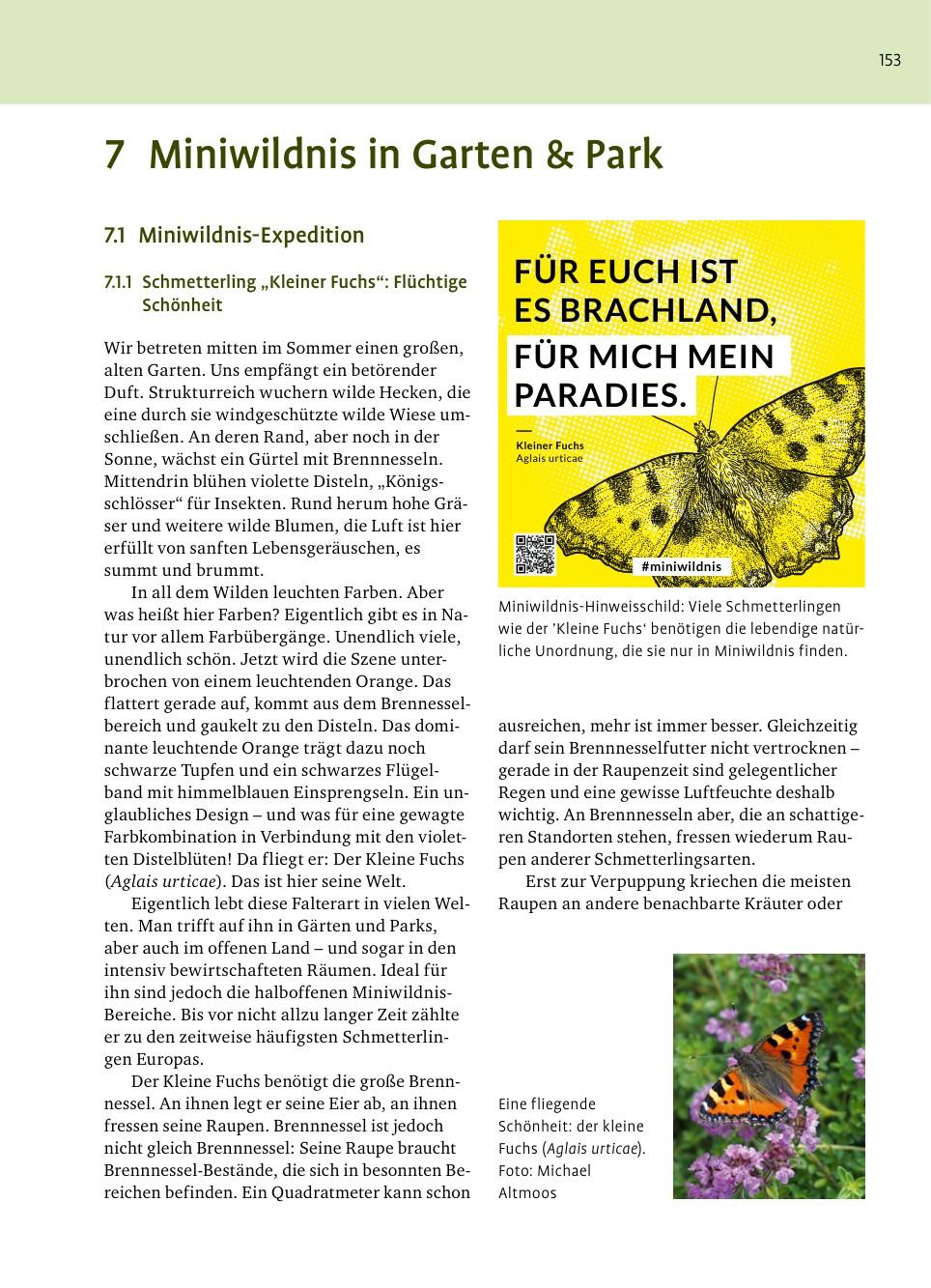
“Mini-Wilderness” for Everyone
0,00 €
| Language of origin | |
|---|---|
| Publication date | |
| Infos : | 230 pages |
| Rights representation |
What Nature Can Accomplish if We Just Let It Take Its Course
• Effective species conservation: networking stepping-stone biotopes for birds, insects and amphibians
• Strategic rewilding: establishing vigorous habitats through natural self-regulation
• Science and everyday practice: best-practice examples that inspire courage and offer hope
• Wellness: experiencing nature, reducing stress and rediscovering native species diversity
“Mini-wilderness” begins in your head. If you can free yourself from the compulsion to submit to the notions of order held by society, you can experience a slower pace of life and discover beauty. Any kind of plant community that looks unmaintained at first glance meets the requirement for a “mini-wilderness”: a biological community within a habitat that is subject to minimal human interference. The more areas become unattractive or uninhabitable for species, the more important the remaining areas become.
Related products
Eva Stengel
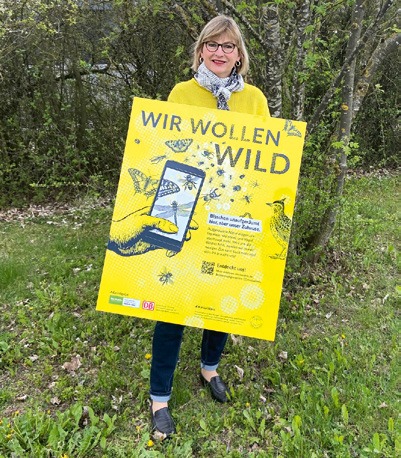
Eva Stengel, born in Nagold in the Black Forest in 1960, has loved all kinds of plants and animals since childhood and was drawn to environmental and conservation issues as a young woman. In 2019 she developed, with scientific support, offers for companies on biodiversity and near-natural company grounds, among them the award-winning Ark for Wild Bees in cooperation with the Heinz Sielmann Foundation. In 2022 she founded, with her own funds, the Miniwildnis initiative and campaign, which aims to change how people see wild spaces and to make them more accepted. She lives in Ellwangen and had the idea for the book "Mini-Wilderness" for Everyone, which she co-wrote. https://www.miniwildnis.de