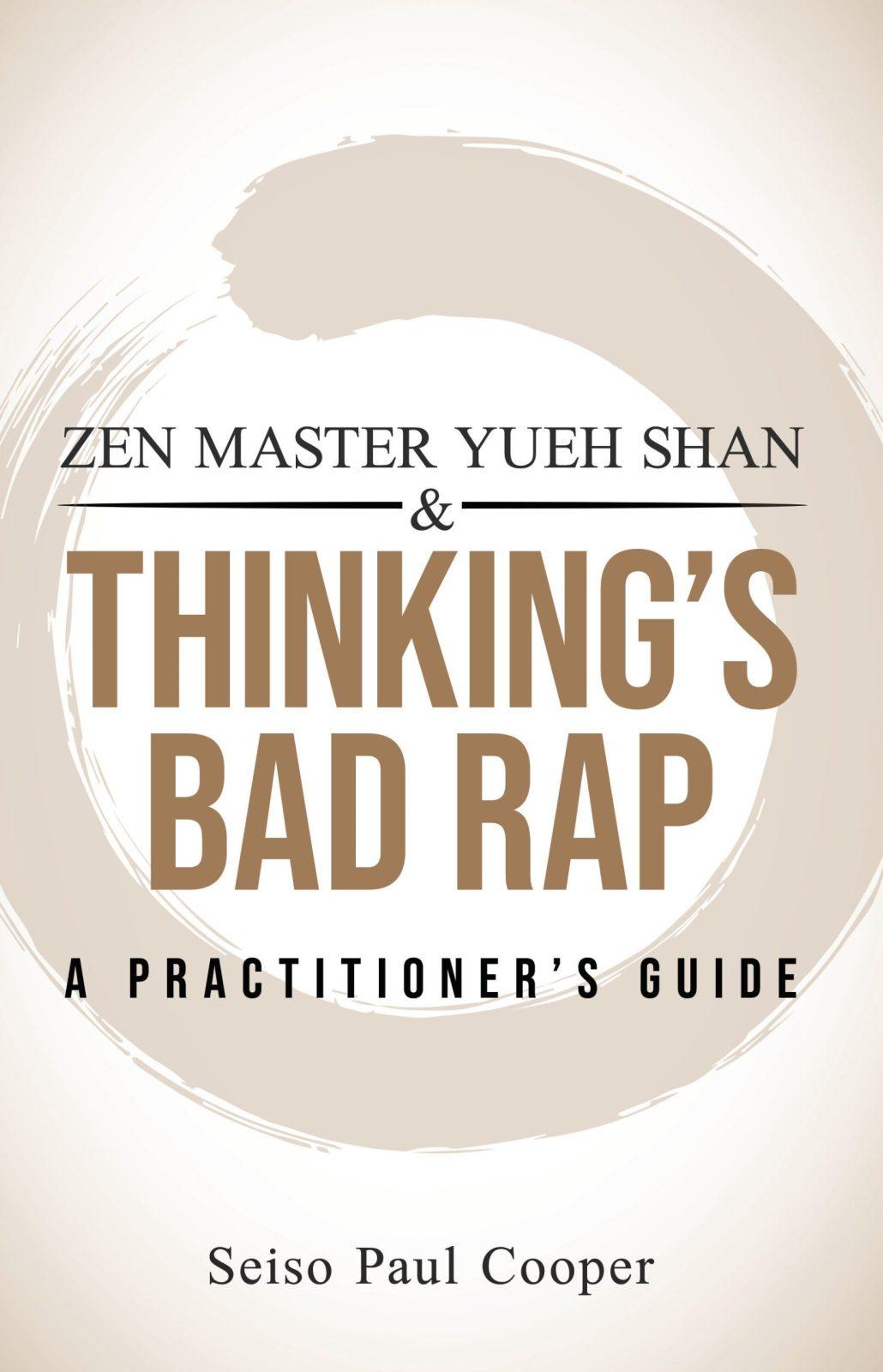
Zen Master Yueh Shan & Thinking’s Bad Rap
0,00 €
| Language of origin | |
|---|---|
| Publication date | |
| Infos : | 156 pages |
| Rights representation | Chinese (simplified), Chinese (traditional), French, Italian |
A Practitioner’s Guide
What does it mean to truly “think of not thinking”?
This timeless question, posed in a brief yet profound dialogue between the Chinese Chan master Yüeh Shan and a nameless monk, opens the doorway to one of Zen’s most important and misunderstood teachings: shikantaza, or “just sitting.”
Thinking’s Bad Rap invites readers into the radical non-dual vision of Eihei Dōgen (1200-1253), the brilliant Japanese Zen master and founder of the Soto school. Drawing on Dōgen’s writings, koans, and practice instructions, this book re-examines the delicate interplay of thinking, not-thinking, and “non-thinking” (hishiryo), a state that transcends but does not negate thought. Rather than demonizing the mind or idealizing silence, Dōgen shows us how true practice harmonizes body, breath, and mind, allowing realization to unfold naturally in each moment.
Through a close reading of the famous koan “Yüeh Shan’s Thinking and Not Thinking,” the author unpacks centuries of commentary, translation, and misinterpretation, offering a corrective to the modern tendency to undervalue thought in Zen practice. In doing so, the book highlights Dōgen’s radical insistence that authentic practice is not about escaping our humanity, but embracing it fully. Thinking and not-thinking, presence and absence, silence and expression: all are mutually reinforcing when approached through the lens of non-duality.
Readers will be guided through:
- The historical background of Dōgen’s pilgrimage to China and the formation of his teaching.
- Detailed explorations of key terms: shiryo (thinking), fushiryo (not-thinking), and hishiryo (non-thinking).
- Insight into Dōgen’s critiques of quietist or goal-driven meditation approaches.
- Concrete practice instructions rooted in shikantaza.
- Reflections on how the mind of zazen extends beyond the cushion into daily life.
More than an academic study, Thinking’s Bad Rap illuminates the philosophical depth of Dōgen’s teaching while encouraging readers to enact it directly. With clarity and accessibility, the book bridges the gap between doctrine and practice, supporting practitioners in cultivating what Dōgen called “authentic practice,” where enlightenment and practice are one, here and now.
This book is for Zen practitioners, Buddhist scholars, and seekers who long for a deeper, more balanced understanding of meditation. Whether you are new to Zen or seasoned in practice, Thinking’s Bad Rap offers a transformative way of relating to the simple act of sitting.
Related products