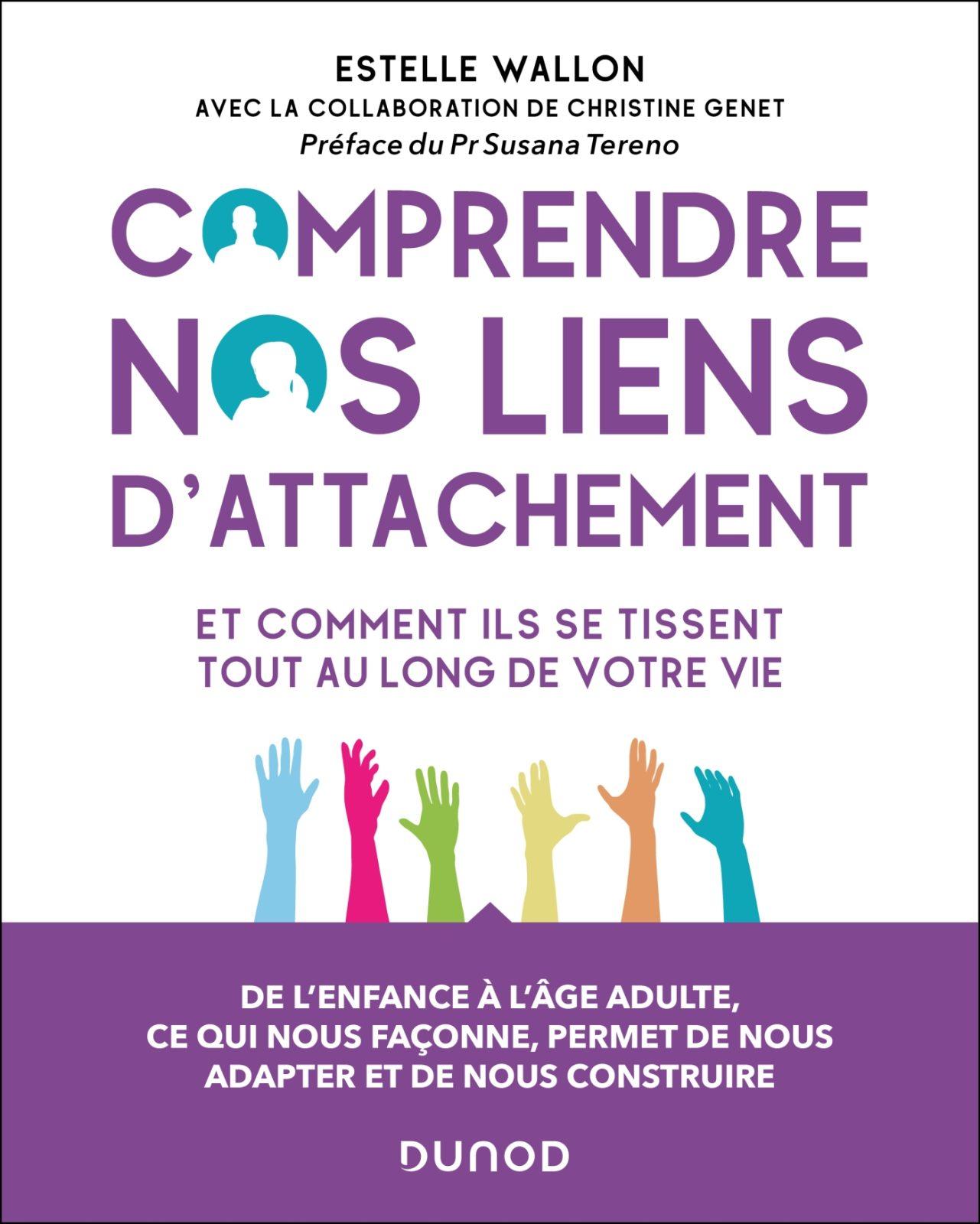
Understanding Attachment Bonds
0,00 €
| Language of origin | |
|---|---|
| Publication date | |
| Infos : | 240 pages |
| Rights representation |
and How they Develop Across the Lifespan
This book offers an accessible synthesis of attachment theory and its relevance across the lifespan. It draws on the foundational work of John Bowlby, the originator of attachment theory, who famously noted, “attachment is active from the cradle to the grave.” But where does attachment theory come from? How do we form attachments? How does the parent-child bond operate? And in what ways does this bond shape and colour our relationships throughout life?
The authors trace the development of attachment bonds from early childhood through adolescence and adulthood, highlighting how these relational patterns shape emotional regulation, interpersonal functioning, and the capacity for intimacy. Combining key theoretical concepts with clinical insights, case examples, and guided self reflection exercises, the book illustrates how attachment processes are continuously reactivated and transformed throughout life.
Special attention is given to contexts in which attachment dynamics are particularly salient, including adoption, cultural frameworks, school environments, romantic relationships, and experiences of separation or rupture. By integrating contemporary scientific understanding with practical tools for personal exploration, the book aims to help readers recognize the enduring influence of their attachment history and foster more secure, balanced, and reflective relational patterns. It serves as a resource for professionals as well as individuals seeking to deepen their understanding of the mechanisms shaping their relational lives.
READERSHIP: All those seeking support after experiencing distress or difficulties in their relationships with others, particularly in their role as a child or as a parent. It is also aimed at therapists (psychologists, psychiatrists, child psychiatrists), early childhood professionals, and social workers.
Related products

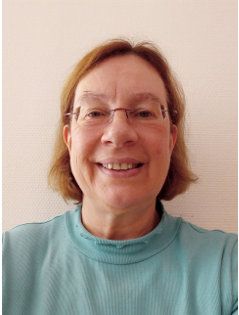
Christine Genet
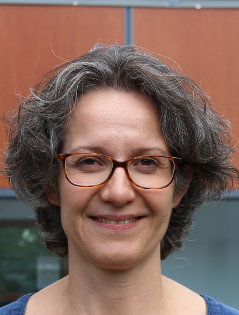
Christine Genet is a child psychiatrist and sleep specialist. She is an honorary hospital practitioner and continues to carry out hospital based consultations. She is also involved in university teaching (Diploma in Attachment Studies) and professional training.