

The Boys of Via Panisperna
0,00 €
| Language of origin | |
|---|---|
| Publication date | |
| Infos : | 152 pages |
| Rights representation |
Physicists in the Turmoil of the Second World War
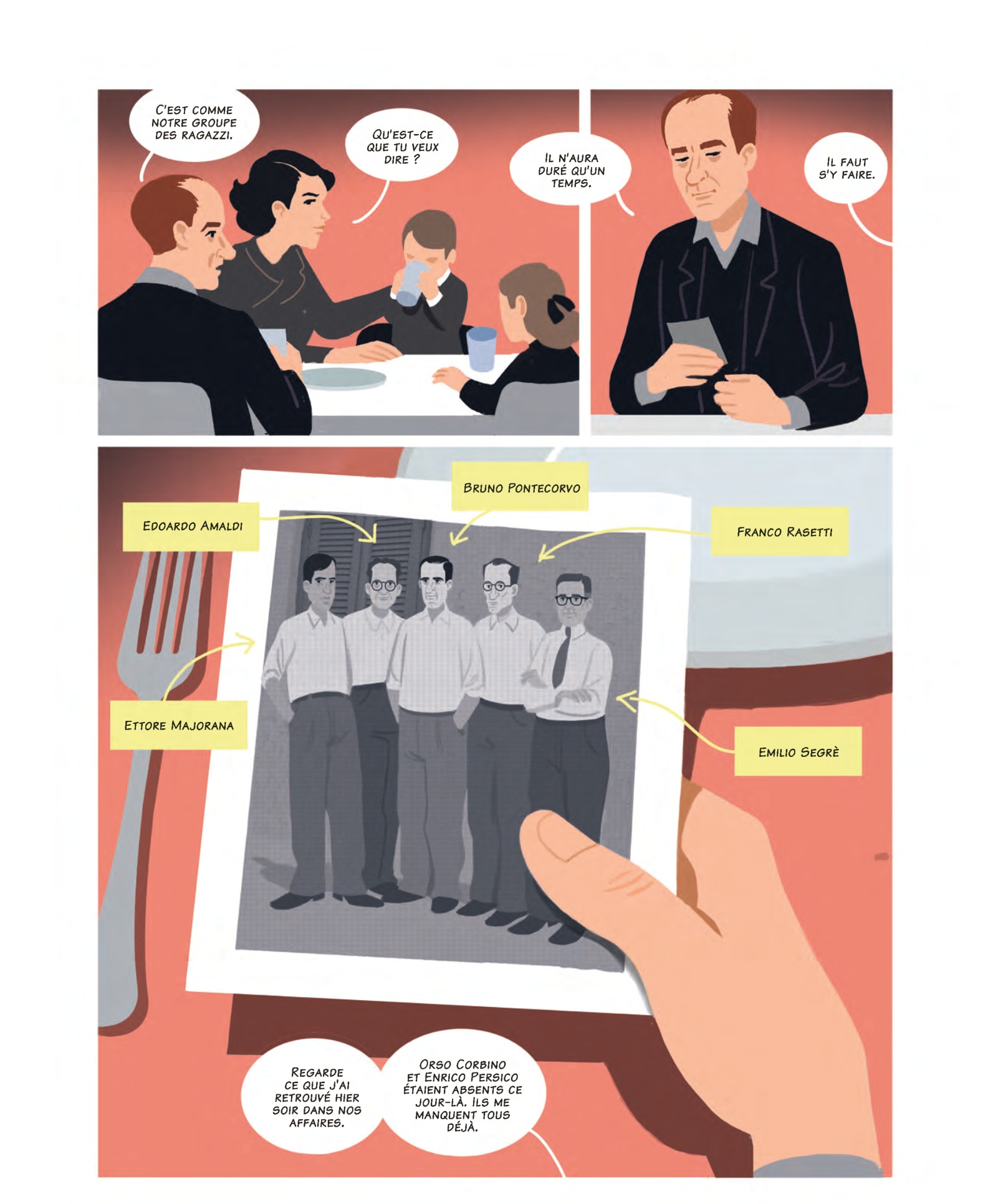
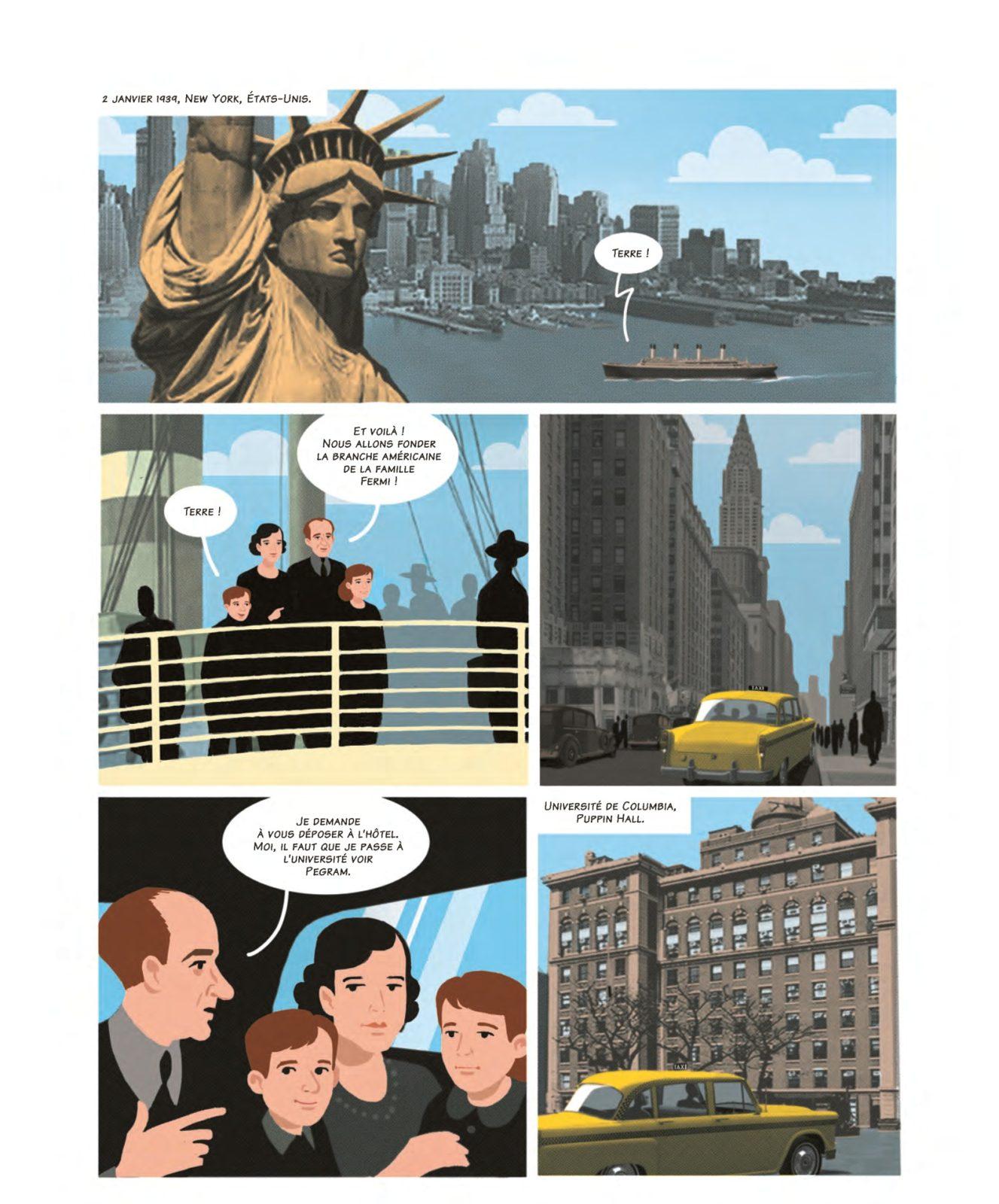
In the 1930s, the “boys of Via Panisperna”, a group of young physicists led by one Enrico Fermi in Rome, revolutionised nuclear physics. There were Emilio Segrè, Edoardo Amaldi, Ettore Majorana and Franco Rasetti. Together they discovered new artificial nuclei and the properties of slow neutrons, opening the way to nuclear fission. Faced with the rise of fascism and its racial laws in Italy, the group scattered. After a Nobel Prize he did not necessarily deserve, Fermi emigrated to the United States, where he played a key role in the Manhattan Project.
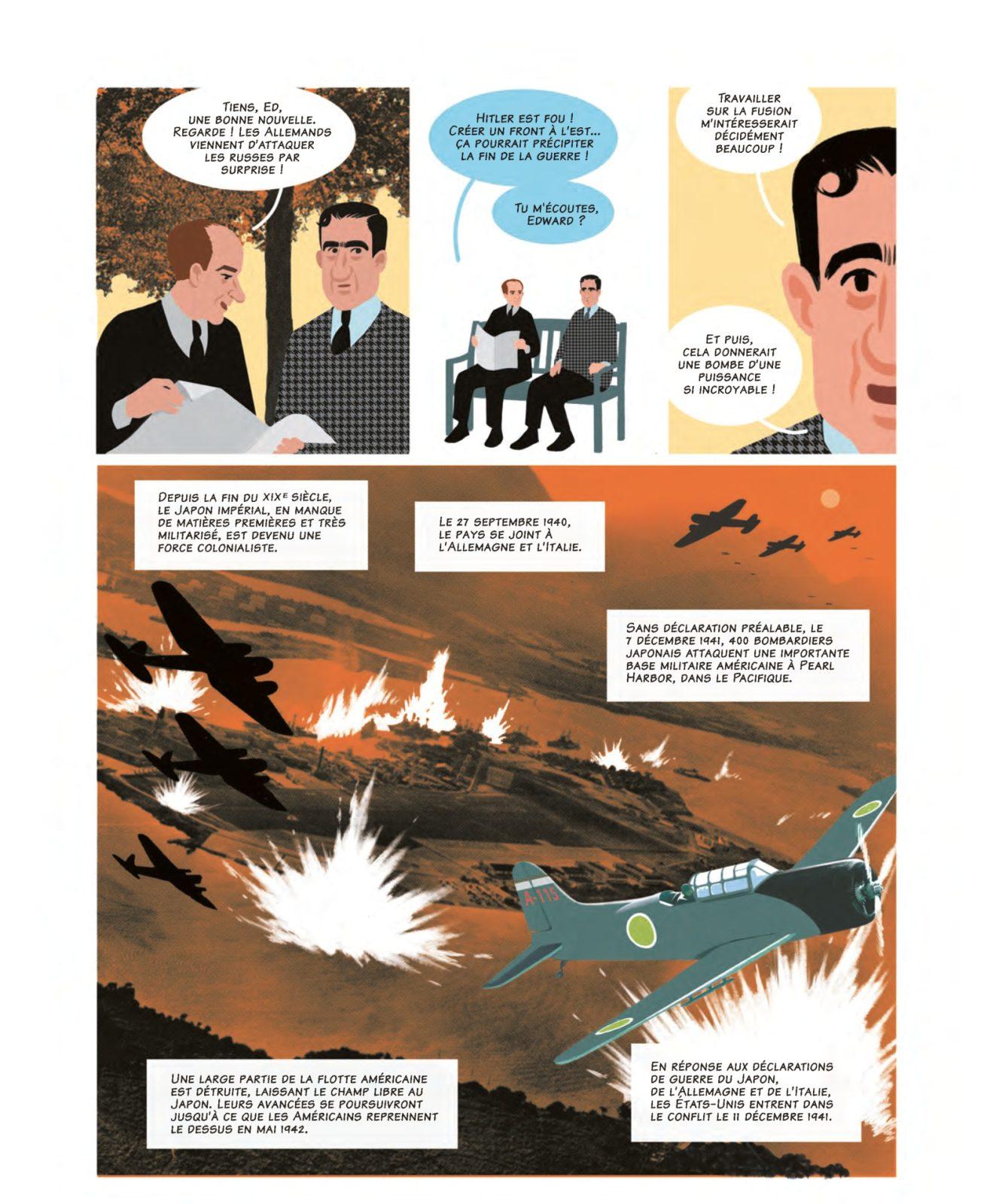
Their scientific legacy still marks modern physics deeply today. From fascist Italy to the laboratories of Los Alamos in the United States, by way of Germany, Sweden, the United Kingdom, the USSR, Japan and France, here is the astonishing story of physicists swept up in the turmoil of history!
Related products





Jean-François Chanson
Jean-François Chanson is a comics scriptwriter and a physics and chemistry teacher in a secondary school.