
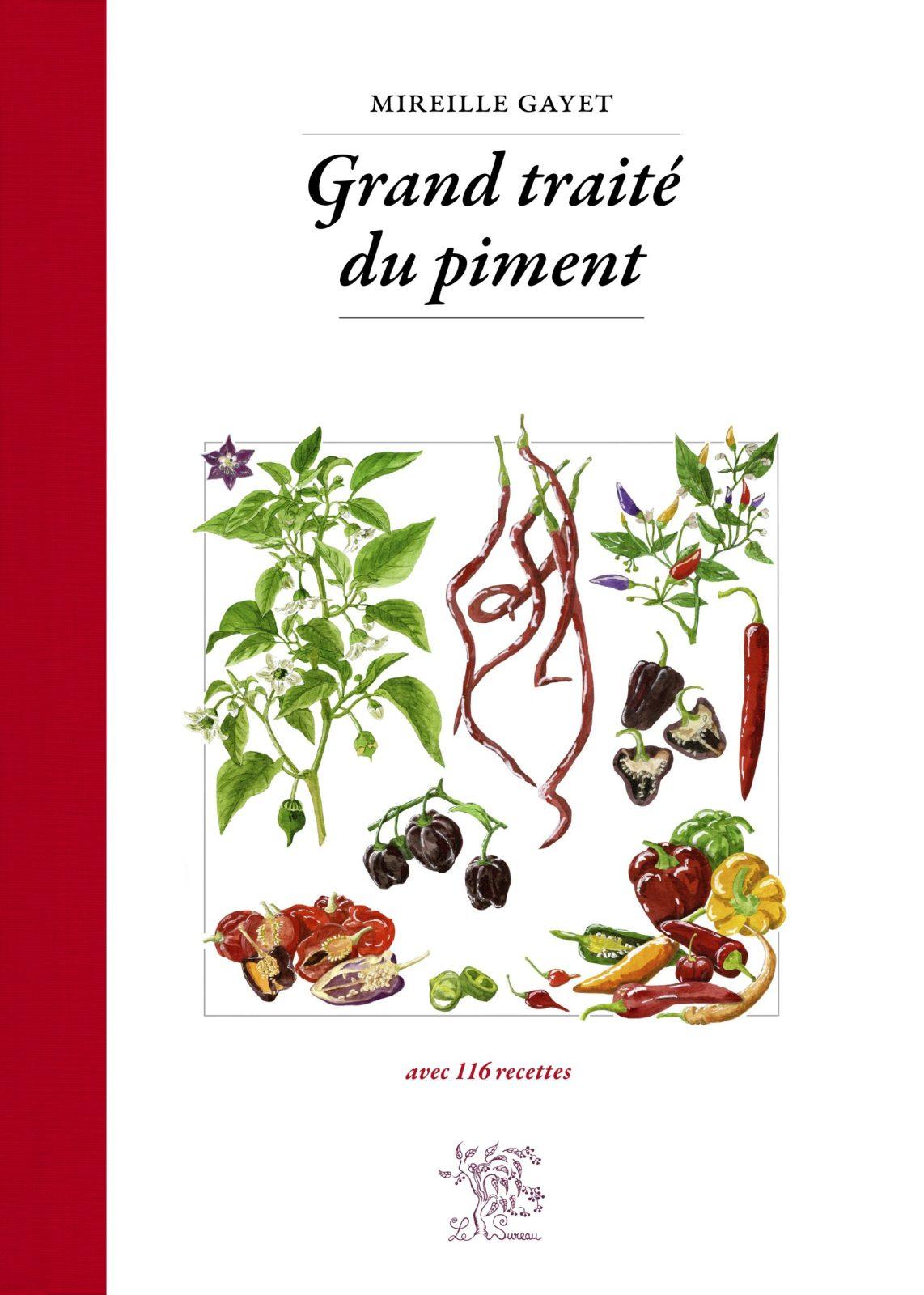
The Big Treatise on Chili Peppers
0,00 €
| Language of origin | |
|---|---|
| Publication date | |
| Infos : | 196 pages |
| Rights representation |
What is chilli pepper? It is a spicy little name for an unusual little plant that conquered the world in record time! With a history closely tied to the discovery of the New World!
First used by the pre-Columbian peoples of Central and Andean America, it wasn’t until the travels of Christopher Columbus and the first conquistadors that it arrived in Europe, where it was first cultivated in aristocratic and princely gardens for its brightly colored little fruit, as a highly ornamental and vibrant little plant.
The chilli pepper took on its role of seasoning and vegetable by the more economically-modest populations who appreciated it for its hot and tangy qualities in cooking more than for its exotically decorative attributes. Chilli peppers enabled them to affordably replace the costly pepper from the East, since it could grow anywhere.
The hot spicy flavor would initially rattle Europeans, but quickly became prized by African and Asian peoples, first introduced by the Portuguese, world travellers at this beginning of the 16th Century.
Already known to the pre-Columbians, the sweet or bell pepper is nothing more than a pepper that is not hot, which made it easier to integrate European kitchens. It is nevertheless the notion of spicy, going from warm to explosive, that would generate discussion in cooking.
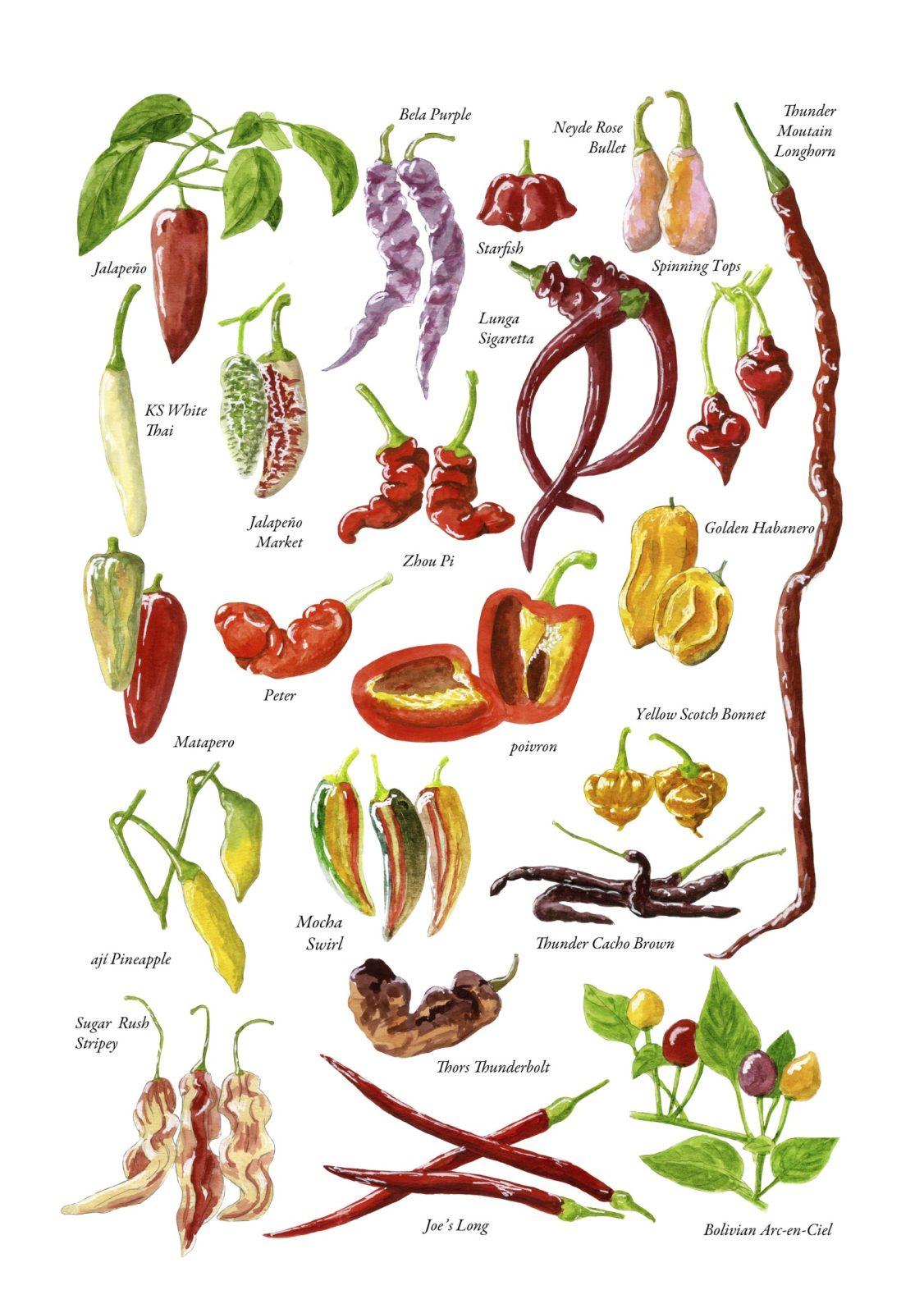
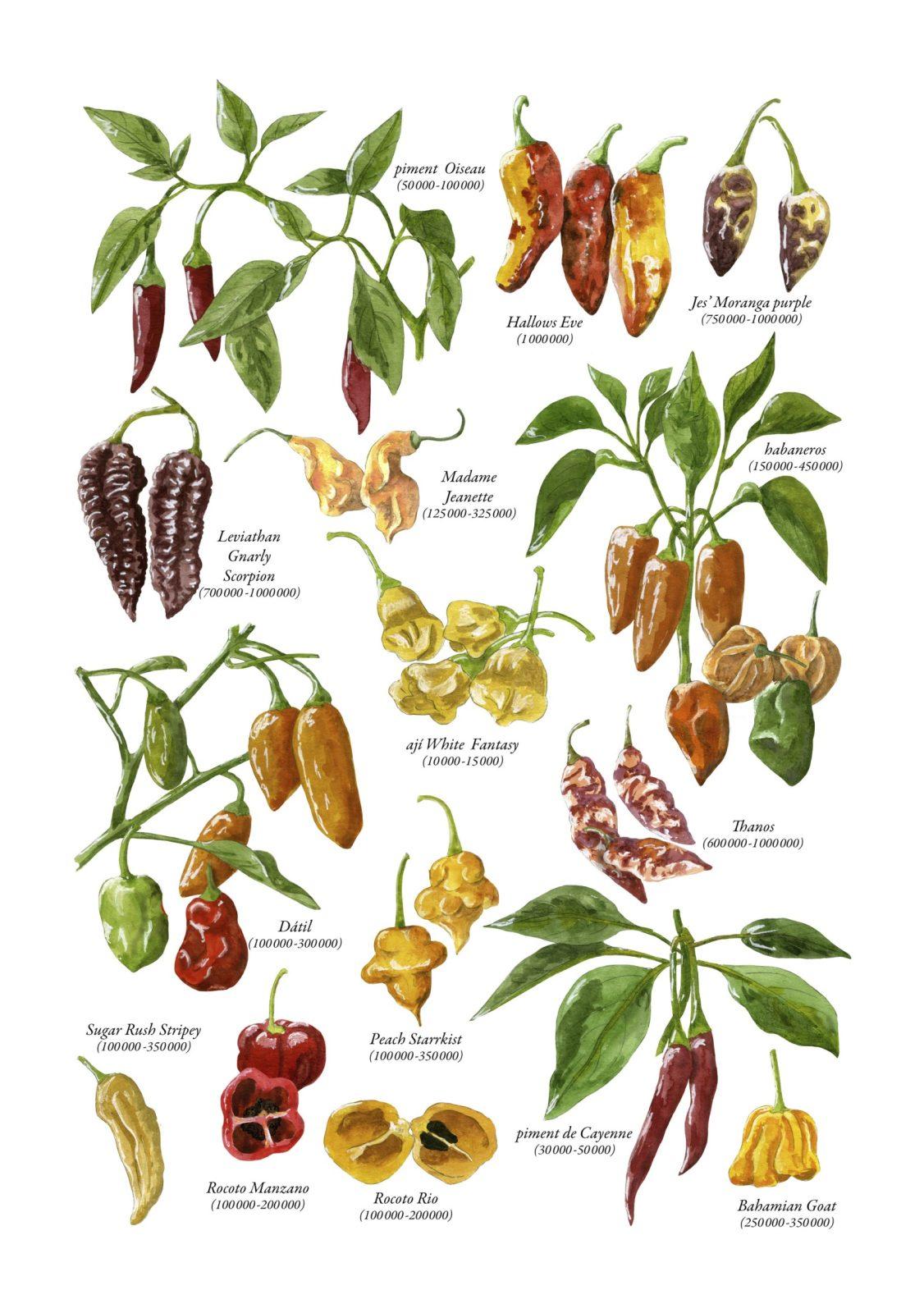
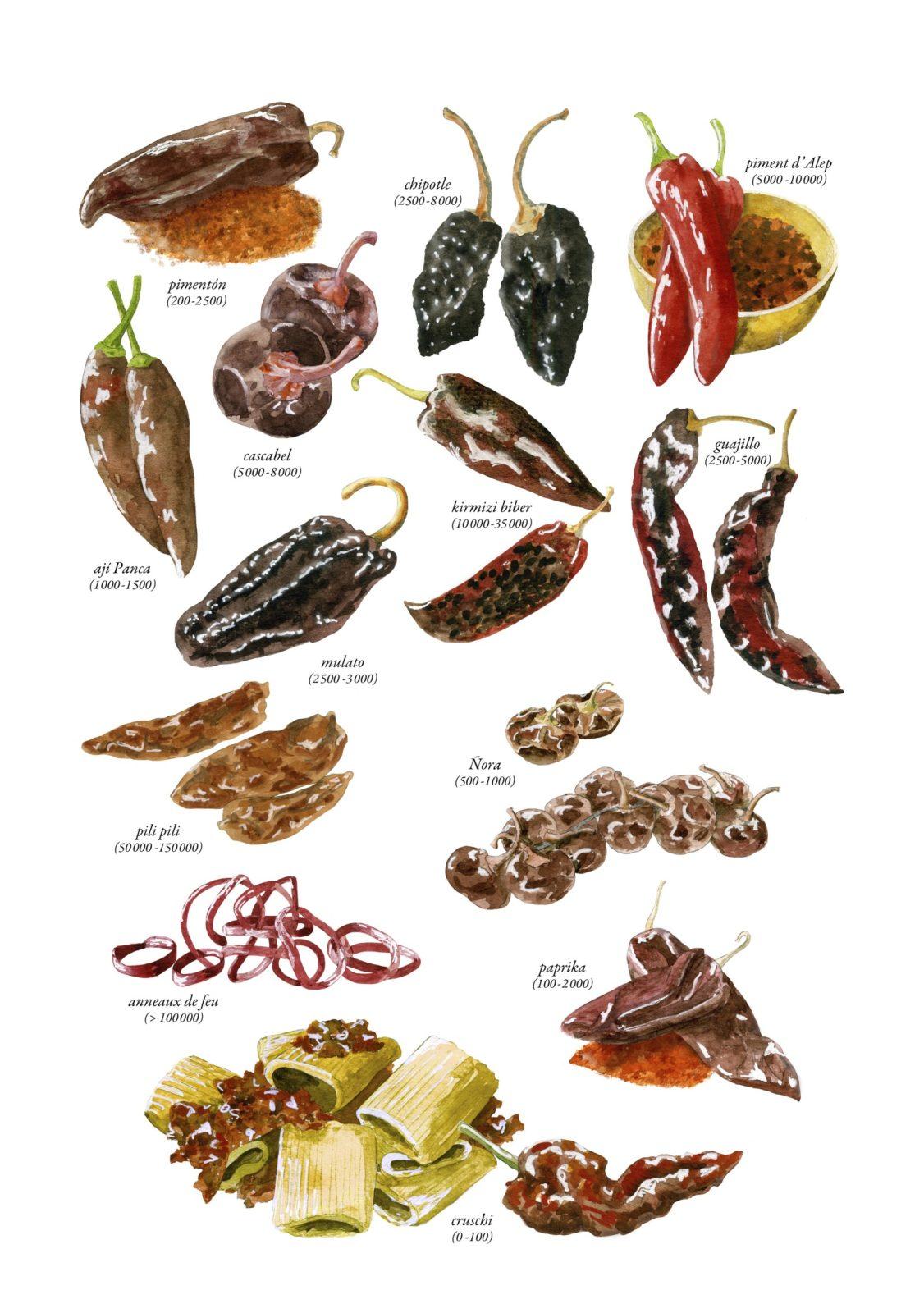
As one might expect, this book presents varieties of chilli peppers according to their degree of spiciness, then covers ways of preserving them, and of presenting them (fresh, dried, in flakes, in powder-form), their use in condiments and salads, sausages, dried sausage and various seasonings, not to mention the links between chilli peppers, medicine, religion, art and even stamp collecting, enriched with 116 recipes, enlivened by magnificent color plates and drawings throughout.
Mireille Gayet has already written and illustrated numerous scientific and culinary works, many of which have won awards. This Big Treatise on Chilli Peppers is an invitation to discover the world of a little plant with a big future.
Related products